Warda Sajid Soomro: bringing One Health and hygiene to schools in Uganda
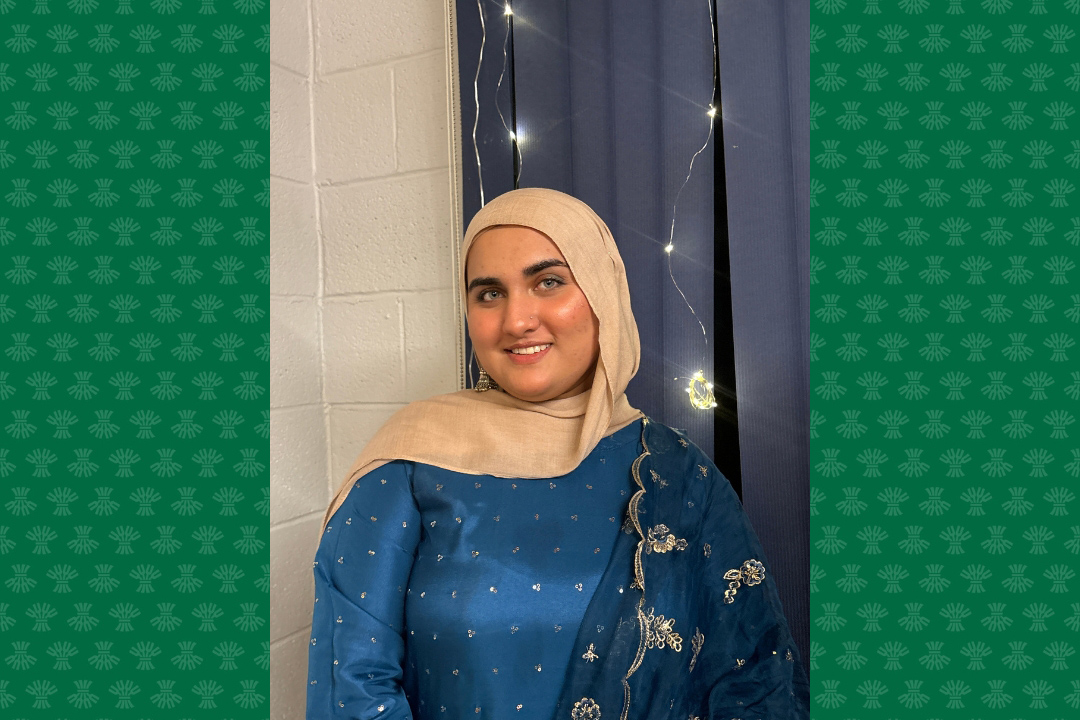
Warda Sajid Soomro is currently pursuing a major in health studies, exploring different aspects of health and wellness. She is focused on her studies while figuring out the direction she want to take in her future career.
Stepping into her first classroom in Isingiro District, Uganda, Warda was immediately struck by the students’ curiosity. Bright-eyed and eager to learn, she found herself wondering how often they considered the connection between their own health and the health of the animals and environment around them.
What began as a teaching assignment quickly became a journey of discovery for the students and Warda.
In June 2025, Warda led interactive One Health and hygiene sessions across five schools. Using stories, games and hands-on demonstrations, she and her fellow Canadian volunteers showed students how dirty water, poor sanitation and untreated injuries can ripple across communities — affecting people, animals and the environment alike.
One memorable exercise used three bottles of water — dirty, deceptively clear and clean — to help students see that danger is not always visible and that simple actions like boiling water can prevent disease. Seeing the students’ awe and engagement, Warda felt their excitement fuel her own.
Warda also taught students about water, sanitation and hygiene (WASH), as well as basic first aid. But what mattered most to her was watching students realize they could take meaningful action to improve their schools’ health and environment. She helped establish One Health Clubs in which girls took leadership positions to became champions for hygiene and environmental care. She watched curiosity turn into confidence and confidence into action as students carried lessons home and inspired their peers.
Warda’s key takeaways
- Seeing One Health come alive: students began to connect human, animal and environmental health in ways that felt immediate and real.
- Youth leadership in action: leadership opportunities helped students — especially girls — build confidence and realize they can be agents of change.
- A ripple effect: equipping students with knowledge and skills created momentum for ongoing improvements in community health and hygiene.